Understanding the Septic System Lifecycle: What Homeowners Should Know Jun 18, 2026
A septic system typically comprises a tank and a drainfield, working together to manage household waste. It is a self-contained, underground wastewater treatment system that is prevalent in rural areas where centralized sewer systems are not available. Understanding the lifecycle begins with recognizing its components and how they interact.
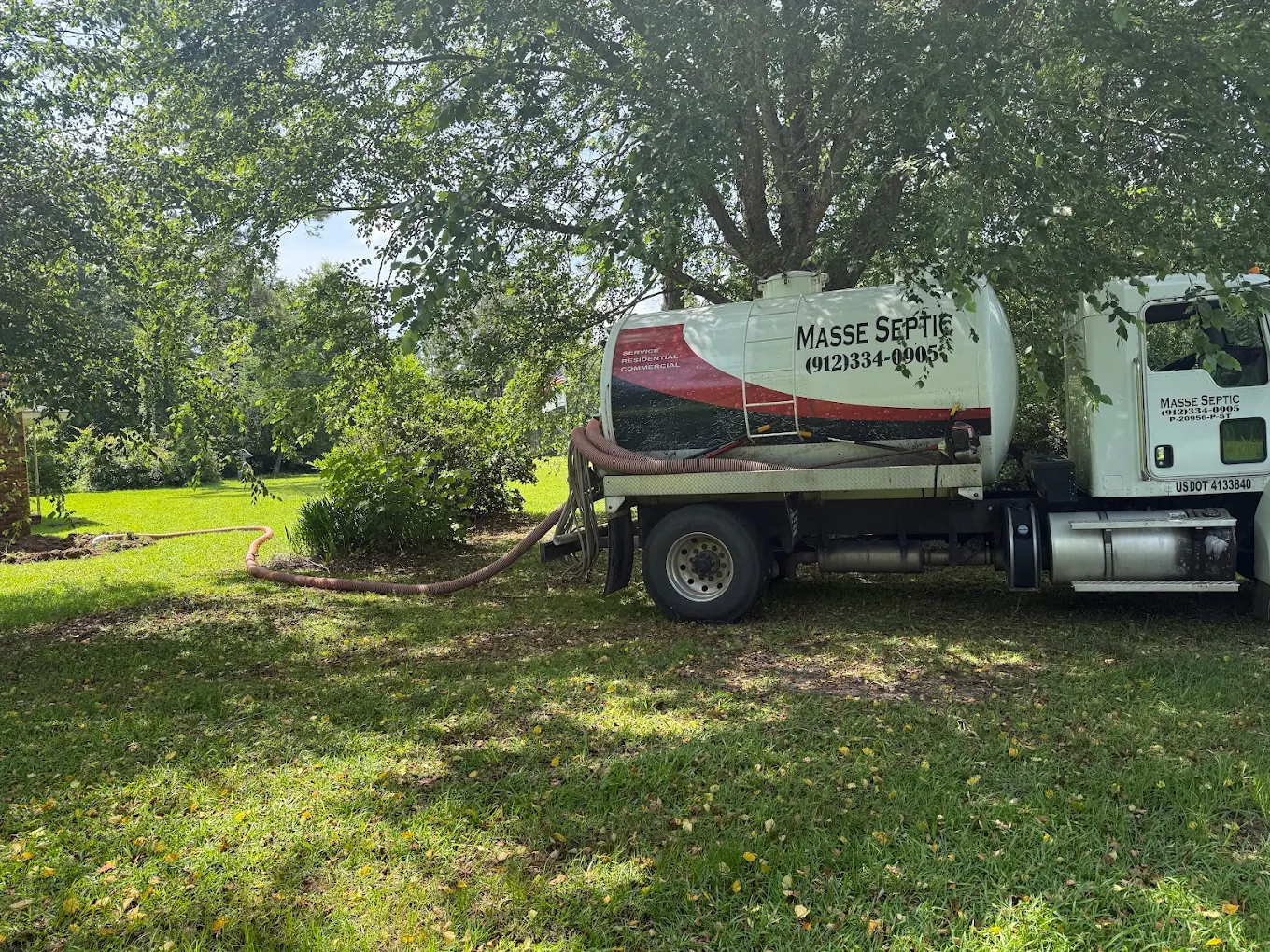
Starting with the septic tank, it plays a crucial role in separating solid waste from liquids. While the solids settle at the bottom and form sludge, lighter materials like grease float and form a scum layer. Over time, the bacteria in the septic tank break down these solids. However, periodic pumping is necessary to remove non-biodegradable components and prevent overflow. It's recommended that homeowners schedule this service every three to five years, depending on household size and usage. Masse Septic & Plumbing provides reliable septic tank pumping to keep your system running smoothly.
The liquid effluent, once treated, flows to the drainfield, which serves as the final treatment and disposal point. The soil in your drainfield acts as a biological filter, further treating the wastewater by removing remaining contaminants before it reaches the groundwater. However, issues like plant root intrusion or compacted soil can lead to drainfield failure, which is why regular inspections by professionals from Masse Septic & Plumbing can be beneficial.
As with any other system in your home, regular maintenance is key to prolonging the lifespan of your septic system. Avoid flushing non-biodegradable items, chemicals, and large volumes of water at once. Use water efficiently, and reduce the use of garbage disposals which can contribute to a faster accumulation of solids in your tank.
Understanding the signs of a failing system can also save homeowners from unpleasant surprises. If you notice pooling water, unpleasant odors, or slow drains, these could be signs that your septic system needs professional attention. Masse Septic & Plumbing offers comprehensive inspections and maintenance services that can diagnose and resolve these issues before they escalate.
Another aspect of the septic system lifecycle is its impact on property resale value. A well-maintained septic system enhances the appeal of a home on the market. Providing potential buyers with recent inspection reports and maintenance records can demonstrate the care taken in preserving the system’s health, potentially leading to a better sales price.
In conclusion, understanding your septic system’s lifecycle can save you money and stress over time. Regular maintenance, mindful usage, and timely professional intervention are key to keeping your system efficient. Masse Septic & Plumbing is here to support you with expert advice and services tailored to your specific needs, ensuring your septic system reaches its full lifecycle with reliability and efficiency.
By keeping these points in mind, you can foster a proactive approach to septic system maintenance, ensuring peace of mind and sustainable home management for many years to come.
/filters:no_upscale()/filters:format(webp)/media/86810e25-4753-484b-9279-cbf902db93b6.jpeg)